

Self-Destructing Plastics Mimicking DNA Chemistry: A Breakthrough in Sustainable Materials
By Jade Josef on February 6, 2026

Self-Destructing Plastics Mimicking DNA Chemistry
Imagine a world where plastic waste no longer clogs landfills or pollutes oceans. Researchers at a U.S. university are making strides towards this vision with innovative self-destructing plastics that mimic the self-repairing and self-destructing properties of DNA. Instead of lingering in our ecosystem for centuries, these new materials are designed to break down on command, offering a potential solution to one of our planet's most pressing environmental crises.
Key Takeaways
- Researchers developed self-destructing plastics that control their lifespans, mimicking DNA chemistry.
- The materials can be engineered to decompose within a set timeframe, reducing plastic waste.
- This technology allows for a customizable approach to plastic usage in various industries, from packaging to consumer goods.
- The concept emerged from observing natural processes, specifically the behavior of DNA and its ability to self-repair and self-destruct.
- Early tests show promising results, with the plastics breaking down efficiently when exposed to specific environmental triggers.
- The research holds significant implications for sustainability and could reshape how industries approach plastic production.
- Collaboration between scientists and environmentalists is crucial to advancing this technology and implementing it on a larger scale.
The Science Behind Self-Destructing Plastics
At the core of this groundbreaking research lies an intricate understanding of DNA chemistry. Just as DNA can repair itself or break down when necessary, the new plastics incorporate similar mechanisms. By designing polymers that respond to environmental stimuli—such as heat or moisture—scientists can program these materials to degrade after a predetermined lifespan.
This concept is particularly intriguing given the longstanding issues associated with traditional plastics. Standard plastics can take hundreds of years to decompose, contributing to pollution and environmental degradation. The self-destructing alternatives, however, take only a fraction of that time, aiming for a lifespan that can be adjusted based on specific applications.
From Nature to Innovation
The inspiration for this research came during a hike, where one of the researchers, Dr. Gu, was struck by the elegance of natural systems. Nature has perfected the art of recycling, and mimicking these processes in synthetic materials opens up new avenues for innovation. The ability to create plastics that mirror biological functions is not just a fascinating scientific endeavor; it's a practical response to an urgent global issue.
By observing how DNA operates, the research team realized they could replicate its properties in synthetic materials. This realization led to the development of polymers that could disintegrate when they encounter certain conditions, effectively flipping the script on plastic longevity.
Potential Applications and Implications
The implications of self-destructing plastics reach far beyond environmental benefits. Industries reliant on packaging and disposable materials could significantly reduce their ecological footprint. For instance, food packaging that self-destructs after a set period could prevent waste and streamline recycling processes.
Additionally, the customizable nature of these materials means companies can tailor them to their specific needs. Whether it's for short-term use or a longer lifespan, manufacturers can adjust the degradation timeline, providing versatility that traditional plastics lack.
Challenges Ahead
While the prospects of self-destructing plastics are promising, challenges remain. Scaling up production while ensuring cost-effectiveness will be crucial for widespread adoption. Moreover, thorough testing is necessary to guarantee that these materials do not release harmful substances during their breakdown process.
Collaboration between researchers, industry leaders, and policymakers will be vital in navigating these hurdles. Engaging with environmental advocates can help ensure that the technology aligns with sustainability goals and addresses consumer concerns.
A Path Forward
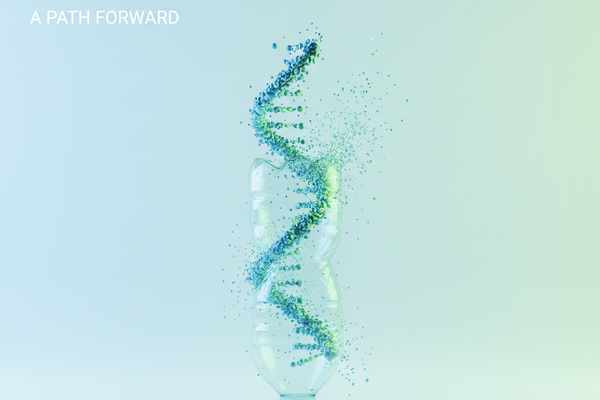
The emergence of self-destructing plastics is a significant step towards a more sustainable future. As researchers continue to refine this technology, we stand on the brink of a revolution in material science. The goal is not merely to create a new type of plastic but to fundamentally alter our relationship with materials that have long been a source of environmental distress.
As we move forward, it’s essential to embrace innovation and remain vigilant about the implications of new technologies. The challenge lies not just in developing solutions but in ensuring they are implemented responsibly and effectively. The future may very well depend on our ability to learn from nature and apply those lessons to address one of humanity's greatest challenges—plastic waste.



MORE IN TRENDING
Being a good student can actually make you a better athlete
If you feel the desire to expand your expertise and start achieving in different aspects of your school life, then move forward from today knowing you don’t have to stay in the lane that you’re supposedly best at. How will you know what you can do if you don’t try? It’s time to break away from restrictive boundaries and push yourself past limits that you once thought impossible to reach.
Jade Josef .

Why playing D&D can be good for you
As you can see, these are just a few of the skills you can pick up from playing Dungeons & Dragons. These skills are directly applicable to other areas of your life too. They can play a major part in improving the way you live, work as part of a team, and socialize. So, the next time someone questions why you are spending so much time playing that ‘silly game’, you’ll be able to tell them!
Jade Josef .

Modern day gadgets with a retro twist
It’s always good to remember where we’ve come from. Nostalgia helps us do that, but just because we yearn for the past doesn’t mean that things were always better back then. The beauty of these gadgets is that we can admire what’s come before while still living in the present.
Emile Bartow .

What the ancients did better than us
As you can see, there are quite a few things that were around in ancient times that still exist today, and many of these things were actually better back then. Of course, better is a relative term, but you need to understand that a lot of these things were more effective and had fewer issues back in ancient times. These are just a handful of the things we reckon could be classed as being better way back when, but you’ll have to make up your own mind.
Jamie Levi .

Behind the Smart Greenhouses
The great thing about greenhouses is that they can run in just about any environment you can think of. That being said, both warmer and colder climates require greenhouses with additional electrical components (heaters or coolers) to create a stable setting for the plants. These new smart greenhouses could make it easier to grow food in areas of the globe with climates that would have the process unfeasible under normal circumstances. In the future, the Earth’s surface might be covered with these “2-in-1” farm/powerplant systems.
Jade Josef .