

RNA Technologies Revolutionizing Therapeutic Applications in Medicine
By Jamie Levi on February 6, 2026
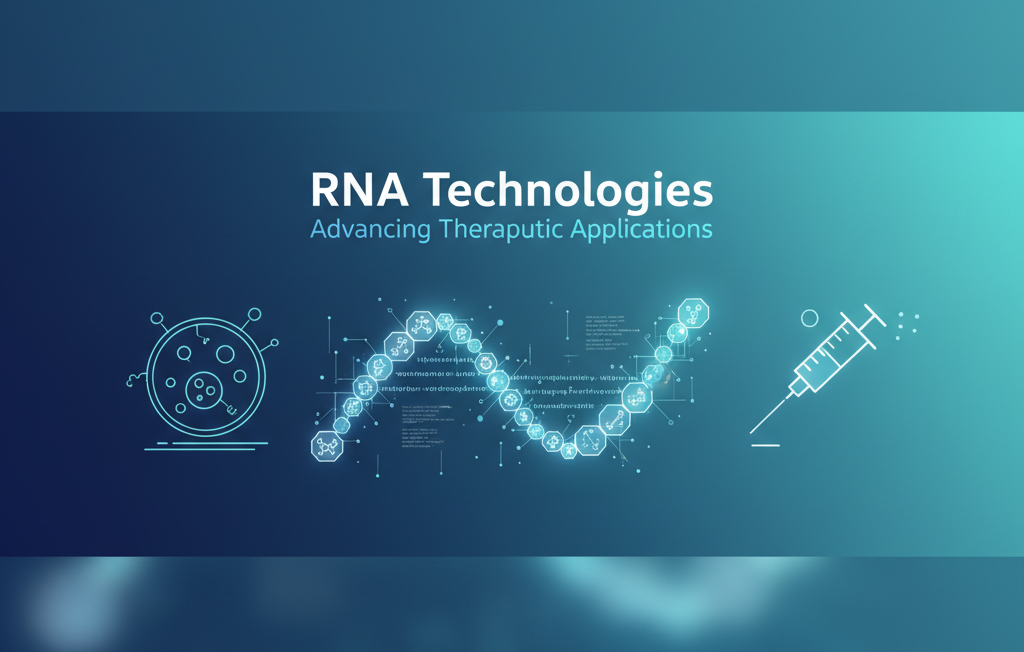
RNA Technologies Advancing Therapeutic Applications
Imagine a world where diseases like cancer and genetic disorders could be effectively treated at their source, targeting the very molecules that underpin them. RNA technologies are not just a futuristic dream; they are actively reshaping the therapeutic landscape today. The rise of RNA-based therapeutics has captured the attention of scientists and clinicians alike, leading to groundbreaking developments in medicine.
Key Takeaways
- RNA therapeutics leverage messenger RNA (mRNA) to instruct cells to produce specific proteins, offering a novel approach to treat diseases.
- Antisense oligonucleotides (ASOs) target specific RNA sequences to inhibit disease-causing genes, making them crucial for treating genetic disorders.
- RNA interference (RNAi) technologies use small interfering RNA (siRNA) to silence genes, showing promise in cancer therapies and chronic diseases.
- The use of CRISPR technology in RNA editing allows for precise modifications, enabling advancements in gene therapy and personalized medicine.
- A collaborative approach among researchers, biotechnologists, and clinicians accelerates the development and application of RNA technologies in therapeutics.
- Regulatory bodies are adapting to the rapidly evolving RNA landscape, facilitating faster approvals for innovative RNA-based treatments.
- Ongoing research and clinical trials are critical for understanding the long-term effects and efficacy of RNA therapeutics in various conditions.
The Evolution of RNA Therapeutics
The journey of RNA therapeutics began decades ago, with early research focusing on the role of RNA in cellular processes. The initial studies, like the one published in Proceedings of the National Academy of Sciences in 1978, highlighted the potential of oligodeoxynucleotides to inhibit viral replication. Fast forward to today, and we see RNA’s potential fully realized in the form of mRNA vaccines, which played a crucial role in combating the COVID-19 pandemic.
mRNA technology has proven its effectiveness, demonstrating that harnessing RNA can lead to rapid vaccine development. The Pfizer-BioNTech and Moderna vaccines are prime examples. They utilize synthetic mRNA to instruct human cells to produce a harmless piece of the spike protein found on the surface of the SARS-CoV-2 virus, triggering an immune response. This breakthrough paves the way for applying mRNA technology to other diseases, including various cancers and genetic disorders.
Antisense Oligonucleotides: Targeted Precision
Antisense oligonucleotides (ASOs) represent another critical advancement in RNA technology. These short, synthetic strands of nucleic acids bind to specific RNA molecules, inhibiting the expression of genes associated with diseases. For instance, Spinraza (nusinersen), an ASO approved for spinal muscular atrophy, has already transformed the lives of many patients by effectively increasing the production of a vital protein.
The precision of ASOs allows for tailored therapies that minimize off-target effects, a significant concern in traditional drug development. With continuous improvements, ASOs are being explored for a wide range of genetic disorders, including Duchenne Muscular Dystrophy and Huntington’s disease, illustrating their potential across various therapeutic areas.
Harnessing RNA Interference
RNA interference (RNAi) technologies have emerged as a powerful tool for gene silencing, particularly in oncology and chronic diseases. Small interfering RNA (siRNA) can specifically target and degrade mRNA transcripts from oncogenes, effectively reducing cancer cell proliferation. Companies like Alnylam Pharmaceuticals are at the forefront, developing therapies that utilize RNAi to treat conditions such as hereditary transthyretin amyloidosis.
The versatility of RNAi in targeting previously "undruggable" genes opens new avenues in drug discovery and development. As researchers refine this technology, we can expect to see a surge in RNAi-based therapies entering clinical trials.
The Role of CRISPR in RNA Technologies
The CRISPR-Cas9 system has revolutionized genetic editing, and its integration with RNA technologies is a game-changer. By combining CRISPR with RNA editing capabilities, scientists can make precise modifications to RNA molecules, enhancing the potential for gene therapy. This approach not only allows for correcting mutations but also enables the development of personalized medicine tailored to individual genetic profiles.
The implications of such advancements are profound, suggesting a future where genetic diseases could be treated at their roots, providing long-term solutions rather than temporary fixes.
Collaborative Innovation in RNA Research
The rapid advancement of RNA technologies is fueled by collaboration across disciplines. Researchers, biotechnologists, and clinicians are joining forces to explore the full potential of RNA in therapeutic applications. This synergy accelerates the translation of research findings into clinical practices, ensuring that the benefits of RNA technologies reach patients more efficiently.
Regulatory bodies are also evolving, adapting to the pace of innovation in RNA therapies. With a focus on safety and efficacy, streamlined approval processes are emerging, allowing for faster access to groundbreaking treatments.
Conclusion
As we stand on the brink of a new era in medicine, RNA technologies are not just enhancing existing therapeutic applications; they are redefining what is possible. With ongoing research, collaborative efforts, and regulatory support, the future holds immense promise for RNA-based therapies. The challenge now lies in harnessing this potential to create effective, safe, and accessible treatments for all. The path forward is paved with opportunity, and the journey has only just begun.




MORE IN TRENDING
Being a good student can actually make you a better athlete
If you feel the desire to expand your expertise and start achieving in different aspects of your school life, then move forward from today knowing you don’t have to stay in the lane that you’re supposedly best at. How will you know what you can do if you don’t try? It’s time to break away from restrictive boundaries and push yourself past limits that you once thought impossible to reach.
Jade Josef .

Why playing D&D can be good for you
As you can see, these are just a few of the skills you can pick up from playing Dungeons & Dragons. These skills are directly applicable to other areas of your life too. They can play a major part in improving the way you live, work as part of a team, and socialize. So, the next time someone questions why you are spending so much time playing that ‘silly game’, you’ll be able to tell them!
Jade Josef .

Modern day gadgets with a retro twist
It’s always good to remember where we’ve come from. Nostalgia helps us do that, but just because we yearn for the past doesn’t mean that things were always better back then. The beauty of these gadgets is that we can admire what’s come before while still living in the present.
Emile Bartow .

What the ancients did better than us
As you can see, there are quite a few things that were around in ancient times that still exist today, and many of these things were actually better back then. Of course, better is a relative term, but you need to understand that a lot of these things were more effective and had fewer issues back in ancient times. These are just a handful of the things we reckon could be classed as being better way back when, but you’ll have to make up your own mind.
Jamie Levi .

Behind the Smart Greenhouses
The great thing about greenhouses is that they can run in just about any environment you can think of. That being said, both warmer and colder climates require greenhouses with additional electrical components (heaters or coolers) to create a stable setting for the plants. These new smart greenhouses could make it easier to grow food in areas of the globe with climates that would have the process unfeasible under normal circumstances. In the future, the Earth’s surface might be covered with these “2-in-1” farm/powerplant systems.
Jade Josef .