

5hmC Markers in Multi-Omics for Cancer and Neurology
By Jade Josef on February 6, 2026
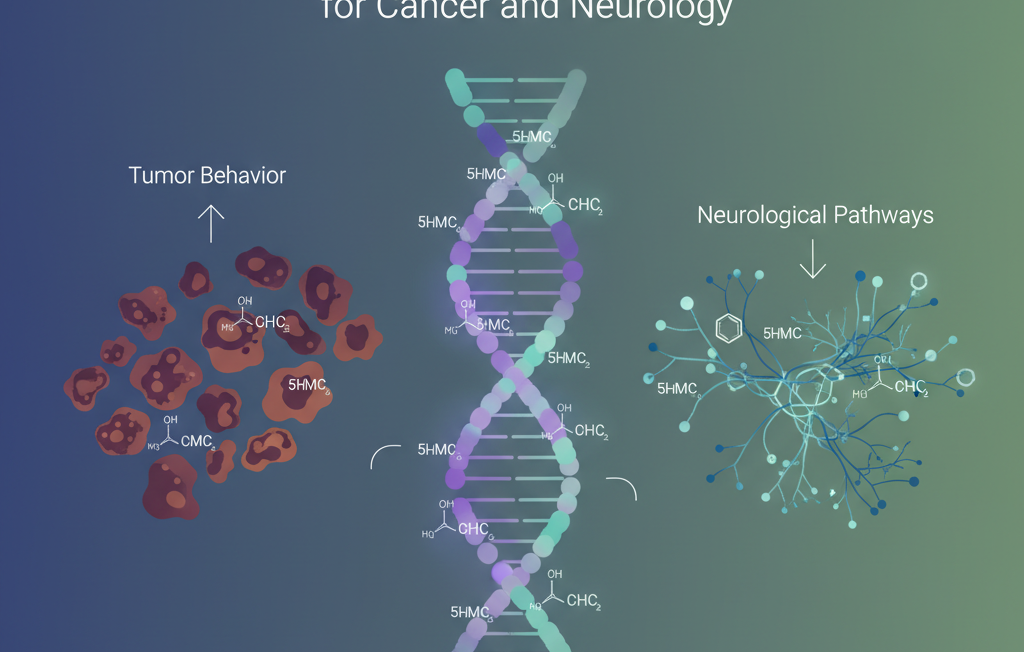
5hmC Markers in Multi-Omics for Cancer and Neurology
In the quest to understand complex diseases like cancer and neurological disorders, researchers are increasingly turning their attention to epigenetic modifications. One such modification, 5-hydroxymethylcytosine (5hmC), is emerging as a promising biomarker with potential applications across various fields. This article delves into the significance of 5hmC markers in multi-omics studies, particularly focusing on their roles in cancer and neurology.
Key Takeaways
- 5hmC serves as a cancer-specific biomarker, providing insights into tumor behavior and progression.
- Aberrations in 5hmC levels correlate with dysregulated gene expression in oncogenic pathways.
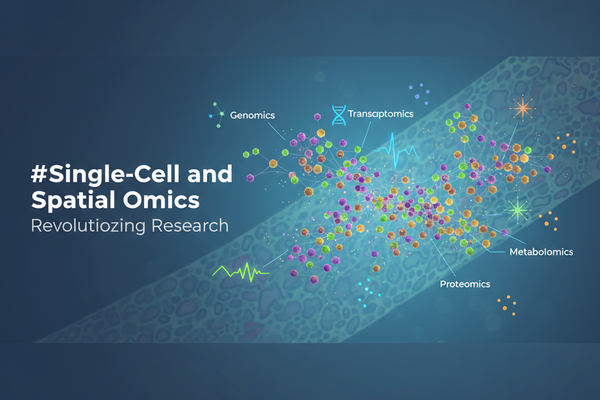
- Multi-omics approaches integrating genomics, transcriptomics, and epigenomics enhance the understanding of 5hmC's role in disease.
- The characterization of 5hmC can lead to novel therapeutic strategies in oncology and neurology.
- Advanced sequencing technologies have improved the detection and quantification of 5hmC across various tissues.
- Personalized medicine approaches can leverage 5hmC profiles to tailor treatments for individual patients.
- Ongoing research highlights the need for standardized methods to analyze 5hmC markers effectively.
The Rise of 5hmC in Cancer Research
5hmC is generated through the oxidation of 5-methylcytosine (5mC) by the TET family of enzymes. Its presence is not merely a benign modification; rather, it plays a critical role in gene regulation. Research has demonstrated that changes in 5hmC levels are often associated with various cancers, making it a focal point for oncologists. For instance, certain tumor types exhibit significantly reduced levels of 5hmC, which correlates with aggressive cancer phenotypes and poor patient outcomes.
One significant study highlighted the potential of 5hmC as a biomarker in pancreatic cancer. Researchers found that patients with lower 5hmC levels had a higher likelihood of disease progression. By employing multi-omics techniques, they could integrate 5hmC data with genomic and transcriptomic profiles, providing a more comprehensive view of tumor biology.
The Neurological Dimension
Beyond oncology, 5hmC is gaining traction in neurological research. Abnormalities in 5hmC have been linked to neurodegenerative diseases, such as Alzheimer's and Huntington's disease. The brain, known for its complex epigenetic landscape, shows varying levels of 5hmC in different regions, which might reflect the underlying pathology of these conditions.
For example, in Alzheimer’s disease, altered 5hmC levels have been observed in genes associated with synaptic function and neuroinflammation. By analyzing these markers through multi-omics approaches, researchers can pinpoint specific epigenetic changes that contribute to disease progression, potentially leading to targeted therapies.
Tools and Technologies for Detection
The advancement of sequencing technologies has revolutionized the detection of 5hmC. Techniques such as oxidative bisulfite sequencing and 5hmC-specific antibodies allow for precise quantification of this modification in various tissues. For instance, researchers have successfully applied these methods to obtain 5hmC profiles from formalin-fixed paraffin-embedded samples, a crucial step for retrospective studies in cancer.
Moreover, platforms that integrate multi-omics data—such as the use of bioinformatics tools for analyzing large genomic datasets—provide a comprehensive overview of how 5hmC interacts with other molecular layers. This integrative approach helps in identifying potential therapeutic targets and biomarkers for early diagnosis.
Implications for Personalized Medicine
The clinical implications of 5hmC markers are profound. As precision medicine becomes the norm, understanding individual 5hmC profiles could enable healthcare providers to tailor treatment plans based on a patient’s unique epigenetic landscape. For example, patients with specific 5hmC modifications might respond better to certain chemotherapies or targeted therapies, improving outcomes and reducing unnecessary side effects.
Furthermore, as more studies validate the therapeutic potential of targeting the enzymes involved in 5hmC modification, new treatment avenues are likely to open. By enhancing or inhibiting these pathways, researchers hope to develop novel strategies for managing cancers and neurological diseases.
Conclusion
The exploration of 5hmC markers in multi-omics research is still in its infancy, yet the potential for clinical application is vast. As we move toward more personalized approaches in medicine, understanding the nuances of 5hmC could transform the landscape of cancer treatment and neurological care. The challenge remains to standardize methodologies for the analysis of these markers, ensuring that findings are reproducible and clinically relevant. The future of 5hmC research offers a tantalizing glimpse into how we might better diagnose and treat some of the most challenging diseases of our time.

MORE IN TRENDING
Being a good student can actually make you a better athlete
If you feel the desire to expand your expertise and start achieving in different aspects of your school life, then move forward from today knowing you don’t have to stay in the lane that you’re supposedly best at. How will you know what you can do if you don’t try? It’s time to break away from restrictive boundaries and push yourself past limits that you once thought impossible to reach.
Jade Josef .

Why playing D&D can be good for you
As you can see, these are just a few of the skills you can pick up from playing Dungeons & Dragons. These skills are directly applicable to other areas of your life too. They can play a major part in improving the way you live, work as part of a team, and socialize. So, the next time someone questions why you are spending so much time playing that ‘silly game’, you’ll be able to tell them!
Jade Josef .

Modern day gadgets with a retro twist
It’s always good to remember where we’ve come from. Nostalgia helps us do that, but just because we yearn for the past doesn’t mean that things were always better back then. The beauty of these gadgets is that we can admire what’s come before while still living in the present.
Emile Bartow .

What the ancients did better than us
As you can see, there are quite a few things that were around in ancient times that still exist today, and many of these things were actually better back then. Of course, better is a relative term, but you need to understand that a lot of these things were more effective and had fewer issues back in ancient times. These are just a handful of the things we reckon could be classed as being better way back when, but you’ll have to make up your own mind.
Jamie Levi .

Behind the Smart Greenhouses
The great thing about greenhouses is that they can run in just about any environment you can think of. That being said, both warmer and colder climates require greenhouses with additional electrical components (heaters or coolers) to create a stable setting for the plants. These new smart greenhouses could make it easier to grow food in areas of the globe with climates that would have the process unfeasible under normal circumstances. In the future, the Earth’s surface might be covered with these “2-in-1” farm/powerplant systems.
Jade Josef .